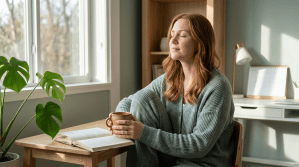

Anxiety is an emotion that everyone experiences at some point in life. It’s a natural response to stress, but when it becomes chronic, it can impact your overall well-being. Anxiety can affect your mental and physical health, leaving you feeling overwhelmed, exhausted, and unable to focus. At Awesome Mental Health, we believe that overcoming anxiety isn’t about finding a “quick fix” but about adopting sustainable, science-backed habits that help you regain control over your life. This guide will walk you through five practical ways to manage anxiety effectively in your everyday life.
1. The Power of Mindful Breathing and Grounding
One of the first things that happens when you feel anxious is that your body’s “fight or flight” response is activated. Your heart rate increases, breathing becomes shallow, and your muscles tighten. When anxiety hits, your body prepares to deal with a threat, even if that threat is not real. The best way to calm your nervous system and communicate safety to your brain is through deep breathing.
The 4-7-8 Breathing Technique is a simple but highly effective tool to activate relaxation in your body:
- Inhale for 4 seconds.
- Hold for 7 seconds.
- Exhale slowly for 8 seconds.
By slowing down your breath, you trigger the body’s parasympathetic nervous system, which helps you feel calm and grounded.
Another helpful technique is grounding. When you feel your anxiety rising, grounding exercises can help bring your focus back to the present moment. The 5-4-3-2-1 Grounding Technique is effective in reducing anxious thinking:
- 5 things you can see
- 4 things you can touch
- 3 things you can hear
- 2 things you can smell
- 1 thing you can taste
This method helps you stay connected to your surroundings, moving your focus away from anxious thoughts and back to the present. It can be especially useful when you’re feeling overwhelmed and need to regain mental clarity.
2. Establishing Healthy Boundaries with Technology
In today’s world, we are constantly connected. Social media, news, and screen time can contribute significantly to increased anxiety. While staying informed is important, doomscrolling—the act of endlessly consuming negative news—can lead to heightened stress levels.
To better manage anxiety, consider setting boundaries around your use of technology. Try:
- No phone use in the first hour after waking up to set a calm tone for your day.
- No screens for at least an hour before bed to help your brain unwind and prepare for restful sleep.
The blue light emitted by screens can interfere with your sleep, making it harder to relax and recharge. Reducing screen time, especially before bed, can improve sleep quality, which in turn can help you manage your anxiety better.
Instead of scrolling through social media, replace your screen time with healthier habits such as reading a book, journaling, or practicing mindfulness. These activities allow you to unwind without the negative effects that constant screen time can have on your mind.
3. The Connection Between Physical Activity and Mental Calm
Exercise is often touted as one of the best ways to improve both physical and mental health. When you exercise, your body releases endorphins, which are chemicals that promote feelings of happiness and reduce stress. Physical activity also helps lower cortisol, the body’s primary stress hormone, which can significantly reduce anxiety levels.
You don’t need to spend hours at the gym to feel the benefits. Simple exercises like walking, cycling, or dancing can help. Even just a 20-minute walk in nature can have a significant impact on your mood and anxiety levels.
More structured practices like yoga, Tai Chi, or Pilates combine physical movement with deep breathing and mindfulness, providing the perfect balance for your body and mind. These activities not only improve your physical health but also enhance your emotional well-being. In addition to improving mood and reducing anxiety, regular physical activity can help boost your self-esteem and give you a sense of accomplishment, which can further reduce stress and anxiety.
If you’re unsure where to start, begin by adding simple physical activities to your routine, like stretching or walking, and gradually increase your intensity. Aim for at least 30 minutes of moderate physical activity most days of the week for the best results.
4. Prioritizing Sleep Hygiene for Emotional Resilience
Sleep plays a crucial role in maintaining emotional and physical health. Unfortunately, anxiety and poor sleep are closely linked. Chronic anxiety can disrupt sleep patterns, while poor sleep can worsen anxiety, creating a vicious cycle.
To improve sleep hygiene and break this cycle, consider the following:
- Maintain a consistent sleep schedule by going to bed and waking up at the same time each day. This helps regulate your body’s internal clock, promoting better sleep quality.
- Create a sleep-friendly environment by making your bedroom dark, quiet, and cool. The ideal temperature for sleep is between 60-67°F (15-20°C).
- Avoid caffeine late in the day. Since caffeine is a stimulant, it can interfere with your ability to fall asleep and stay asleep.
- Limit screen time before bed. The blue light emitted by screens can disrupt the production of melatonin, the hormone responsible for regulating sleep. Try using blue light filters or switching to night mode on your devices, or better yet, avoid screens entirely in the hour before bed.
If you find it difficult to sleep, try adding a relaxation routine before bed, such as reading, journaling, or doing some light stretching. By prioritizing sleep hygiene, you can improve the quality of your sleep, which in turn can help reduce your anxiety.
5. Challenge Your Anxious Thoughts (Cognitive Reframing)
A significant source of anxiety comes from negative thought patterns, such as catastrophizing, which is when you imagine the worst possible outcome. This can amplify anxiety and make it difficult to cope with everyday situations.
One powerful way to combat anxiety is through cognitive reframing, a technique that involves challenging your anxious thoughts. Here’s how you can reframe your thinking:
- Ask yourself: Is this thought based on facts or feelings? Often, anxious thoughts are exaggerated and not based on reality.
- What evidence do I have for this worry? Try to objectively examine your worries. Are they realistic, or are you imagining worst-case scenarios?
- What would I say to a friend in this situation? Often, we are much kinder to others than we are to ourselves. Treat your anxious thoughts as you would if a friend were experiencing them.
Journaling can also be an effective way to challenge and reframe your thoughts. Write down your worries and review them objectively. This exercise helps you recognize patterns in your thinking, making it easier to identify and address irrational fears.
Conclusion: When to Seek Professional Support
Managing anxiety is a journey, and while these strategies can significantly improve your well-being, they may not be enough in all cases. If your anxiety is persistent, overwhelming, or interferes with your daily life, seeking professional support can be an important step toward healing.
At Awesome Mental Health, we believe that seeking help is a sign of strength. Therapy, counseling, and support groups can provide deeper, personalized support for long-term mental well-being. A mental health professional can help you identify the root causes of your anxiety and work with you to develop effective coping strategies.
Remember, it’s okay to ask for help when you need it. Start with one small change today, and be kind to yourself throughout the process.
Frequently Asked Questions (FAQ)
Q: How long does it take for deep breathing to work?
A: Most people feel calmer within 2 to 5 minutes of consistent deep breathing. It’s a quick and accessible way to regain control over your anxiety.
Q: Can caffeine make anxiety worse?
A: Yes, caffeine can increase symptoms like a racing heart and jitteriness, which can worsen anxiety. It’s best to limit caffeine intake, especially during stressful times.
Q: Is anxiety curable?
A: While anxiety might not always be completely “curable,” it is highly manageable. With therapy, lifestyle changes, and sometimes medication, most people can significantly reduce their anxiety and live fulfilling lives.